📈#133: 162,000 jobs returned in August as AI infrastructure spending aims for $31.6 trillion
📊 Plus: back-to-school spending hits $85B while port imports slip 4.2% after tariff front-loading
Welcome to yet another insightful edition of Market Mosaic.
This week, we explore how 162,000 jobs returned in August after 2 months of payrolls got revised away; a $31.6 trillion bet on AI infrastructure through 2050; back-to-school spending on pace for $85 billion; and container imports trailing last year's pace as early tariff-driven shipping winds down.
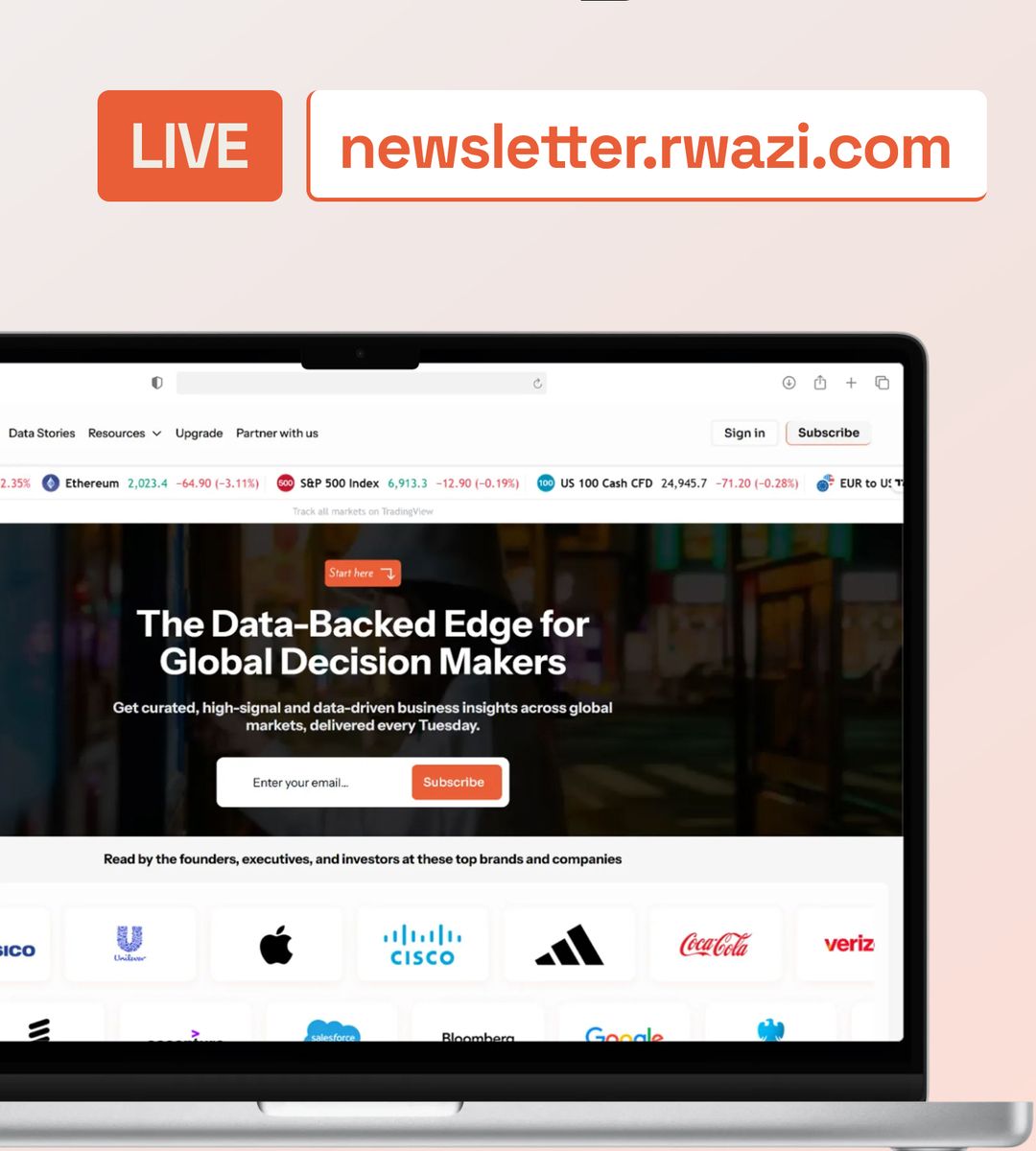
This edition also features our recent redesign, rebuilt section by section based on reader feedback, with the same rigor and voice.
Insights Team, Rwazi
Technology
Economy
Consumer Universe
Supply Chain

ICT hardware is set to eat 93% of AI infrastructure budgets by 2050
Global investment in AI infrastructure is projected to reach $31.6 trillion cumulatively through 2050, up from an estimated $800 billion this year alone. The United States will capture $15.1 trillion of that total, 48% of the global figure, while Asia Pacific, led by China and India, accounts for $8.2 trillion.
ICT hardware's share of that spending is set to climb from 70% today to 93% by 2050, as recurring chip upgrades overtake construction as the biggest cost driver. A scenario where export controls disrupt chip supply would cut the cumulative total by $6 trillion to $25.5 trillion, with annual investment falling to roughly half the central forecast by 2030 before recovering.
Hardware spending, more than construction schedules, will decide who wins the AI infrastructure race, and a chip-export disruption alone could erase $6 trillion in planned spending by 2030. See how your own AI infrastructure spend compares.

June and July payrolls just got revised up by a combined 55,000 jobs
US employers added 162,000 jobs in August, more than double what forecasters expected, while the unemployment rate held steady at 4.1%. Average hourly earnings rose 3.1% year over year, still trailing the pace of price growth.
The rebound follows a downward scare in July that has since been revised away: June's gain was revised up 11,000 to 31,000, and July's initial loss of 23,000 became a gain of 21,000. Combined, the past 2 months came in 55,000 jobs stronger than first reported.
A single month's headline number hides how much the picture improved: 2 months of revisions erased what looked like a stall, adding 55,000 jobs that weren't there last report. See how your own hiring plans compare.
Back-to-school spending is on pace to hit $85 billion this year
Back-to-school retail sales are projected to reach $85 billion in 2026, up 3.3% year over year and accelerating from 2.5% growth in 2025. Big-ticket electronics are driving a chunk of that gain, as parents replace devices to keep pace with AI-powered learning tools.
Online sellers saw sharper spikes beneath that topline number: label clip sales jumped 606% in August, kids' desk sales rose 47%, and sticky note sales climbed 25%. Fall wardrobe items moved just as fast, with sweater sales up 84% and pea coat sales up 76%.
Back-to-school demand is shifting from bulk basics to specific, fast-moving categories, and the spillover reaches outdoor gear too, with camping fire starter sales up 180% in the same month. See how your own seasonal assortment stacks up.
US port imports are trailing last year's pace by 4.2%
US container imports are on pace for 2.22 million TEUs in August, down 4.2% year over year, as retailers front-loaded shipments ahead of a tariff deadline. Temporary tariff relief expired July 23, with new tariffs taking effect the next day.
Freight rates are easing now that the rush is over: the composite container rate index fell 1% in the week to August 27, led by lower spot pricing on transpacific and Asia-Europe lanes. Carriers front-ran the same deadline shippers did, and now capacity is catching up with demand.
Retailers who imported early to dodge the new tariffs are now sitting on inventory just as freight rates soften, doubling the payoff for whoever moved first. See how your own import timing holds up.
Ask the Desk - Premium members can now ask any market question and get the desk's answer, drawn from all 203+ issues we've published. Sign in at newsletter.rwazi.com/the-desk.
Two free decision tools - The Cost of Being Wrong prices the call you're about to make. What It Takes works backward from your revenue goal. Both take about a minute: newsletter.rwazi.com/cost-of-being-wrong · newsletter.rwazi.com/what-it-takes.
The Circle. Our reader community is open: debate each week's data with founders, executives, and investors, and ask our analysts anything. Join free at newsletter.rwazi.com/community.