📈#131: Tech giants could spend $900 billion this year as freight rates jump 9%
📊 Plus: China's economy share is back to its 1820 level, and retail spending hit a 10-month streak
Welcome to yet another insightful edition of Market Mosaic.
This week, we explore how tech giants could spend up to $900 billion on AI this year, and look at how US retail card spending extended its growth streak to 10 months while container freight rates jumped for the first time in weeks.
Insights Team, Rwazi

Cloud giants are now spending more on AI than their cloud business earns
Amazon, Alphabet, and Microsoft will spend roughly 102% of their combined cloud revenue on capex in 2026, more than they earn in a year. That ratio falls to 99% in 2027 and 94% in 2028.
2026 hyperscaler capex estimates run from $785 billion to $900 billion, more than double the $410 billion spent 2 years ago. Forecasts put 2027 spending above $1 trillion, a threshold not expected until 2028.
Spending beyond what the business earns only works if demand for AI continues to compound. Hyperscalers are betting years of runway on it. See how your own tech budget compares.
Chart: China, the US, Britain, and India's share of global GDP, 1820-2025. Data visualization by Market Mosaic
China's slice of the world economy just returned to its 1820 level
China held 28.6% of global GDP in 1820, the largest share of any economy, but this share shrank to 5.3% by 1960 as Britain and the US industrialized. It has since climbed back to 21.8% in 2025, near its position 2 centuries earlier.
The US followed the reverse arc: 2.3% in 1820, a peak of 24.5% in 1960, and 14.7% today. The British Empire's share fell every period measured, from 23.1% in 1820 to 1.9% for Britain now. India's nearly tripled since 1960, from 3.9% to 9.0%.
China's climb to 21.8% took just 65 years, against a 140-year slide before it. The British Empire's share in 1820 was 23.1%; Britain's is now 1.9%. See how your own market exposure stacks up.
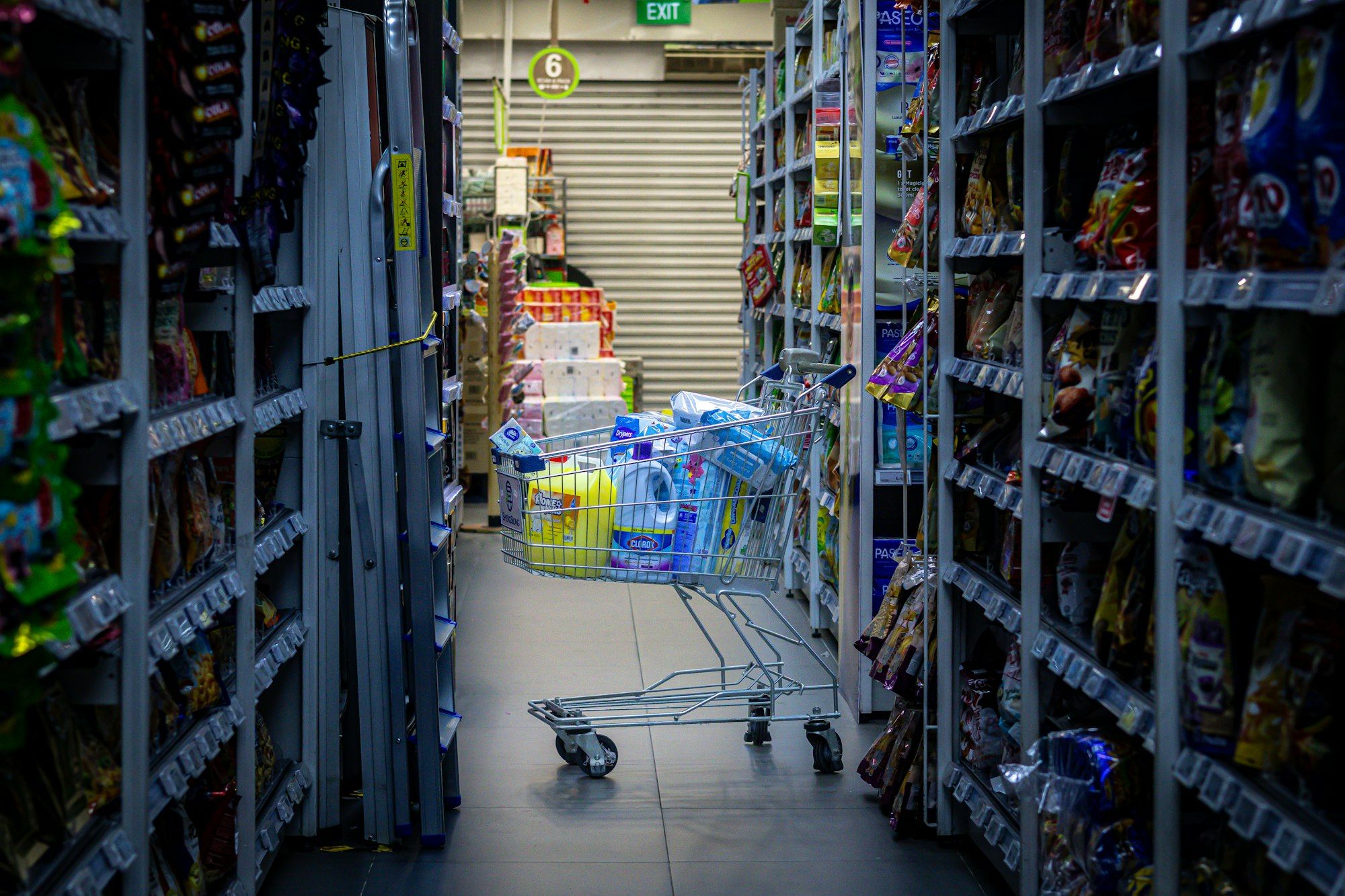
US retail card spending just extended its growth streak to 10 straight months
US card-based retail spending climbed 5.15% in July from a year earlier and 0.32% from June, its 10th straight month of gains since October 2025. Electronics and digital purchases led, up 12.04% and 12.02%, while groceries and beverages grew a steadier 4.52%.
Shoppers are changing what they buy too: 48% of adults now want more protein, up 7 points from a year ago, and half of all meals take under 5 minutes to prepare. High-protein foodservice items grew 11% over the past year.
The growth is broad, but the sharpest gains sit in electronics and convenience foods, not staples. That shift changes what "healthy" consumer spending looks like. See how your own product mix compares.
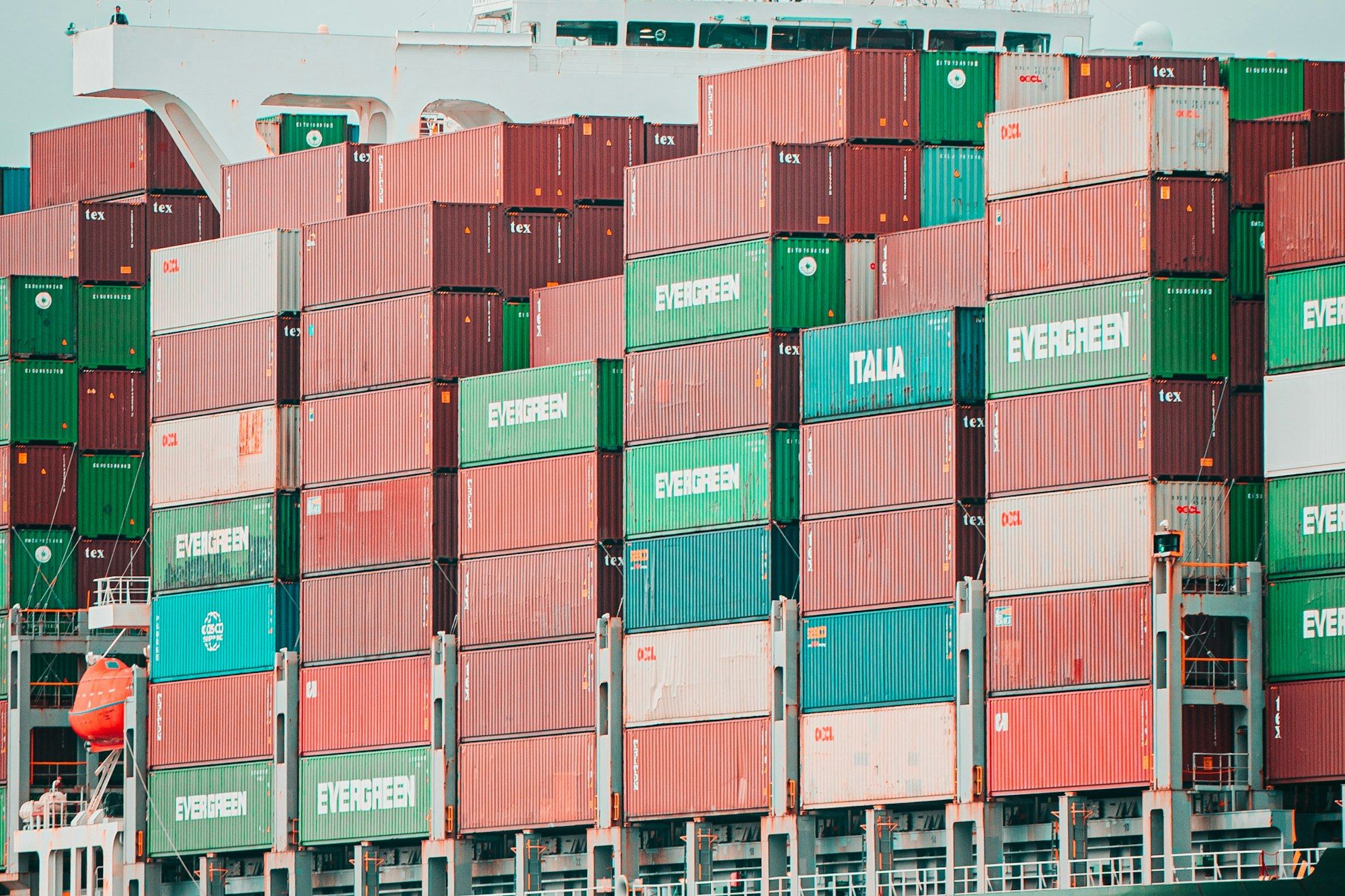
Container freight rates just jumped for the first time in weeks
Global container freight rates rose 4% to $4,526 per 40-foot box in the week to August 20, driven almost entirely by transpacific lanes. Shanghai to New York jumped 9% to $9,507; Shanghai to Los Angeles climbed the same 9% to $6,802.
Other lanes fell: Shanghai to Genoa dropped 2% to $4,955, Shanghai to Rotterdam slipped 1% to $4,401. Carriers cut East Coast capacity by 9% for the month and scheduled 7 blank sailings, with new Panama Canal surcharges starting in September.
Rates are rising only on US-bound lanes where carriers are cutting capacity, not because demand jumped. The September surcharges will be added on top of whatever they settle at. See how your own shipping lanes compare.
Finding data-driven market insights from Market Mosaic used to mean scrolling through weeks or months of newsletters.
The Desk pulls all the insights for you to make decisions. Ask a question and get an answer sourced from all editions of Market Mosaic.
Ask something like "Should rising freight rates change my Q4 shipping budget?" and get a sourced answer in seconds.