|
For years, logistics companies have focused on making warehouses smarter, delivery routes faster, and supply chains more efficient. Those investments have transformed how goods move across countries. Yet the most expensive part of the journey has remained the last few kilometres between a local distribution hub and the customer's doorstep. | ||
|
The final mile is one of the most expensive stages of the supply chain, requiring individual trips for every order. Each trip carries its own labour, time, and transportation costs. | ||
|
Figure 01 · The growth of global e-commerce | ||
| ||
| ||
| ||
|
Source: Statista | ||
|
The pressure on delivery networks is growing. As online shopping becomes part of everyday life, businesses are under increasing pressure to deliver faster while keeping costs under control. | ||
|
Autonomous delivery robots are emerging as one solution. The global installed base of delivery robots could reach 2.1 million units by 2034, according to Transforma Insights. The forecast reflects a market moving beyond experimentation toward commercial viability. | ||
|
For businesses, the payoff is a faster, more efficient delivery network that keeps pace with growing consumer demand while improving profitability. | ||
Delivery robots are moving into everyday operations | ||
|
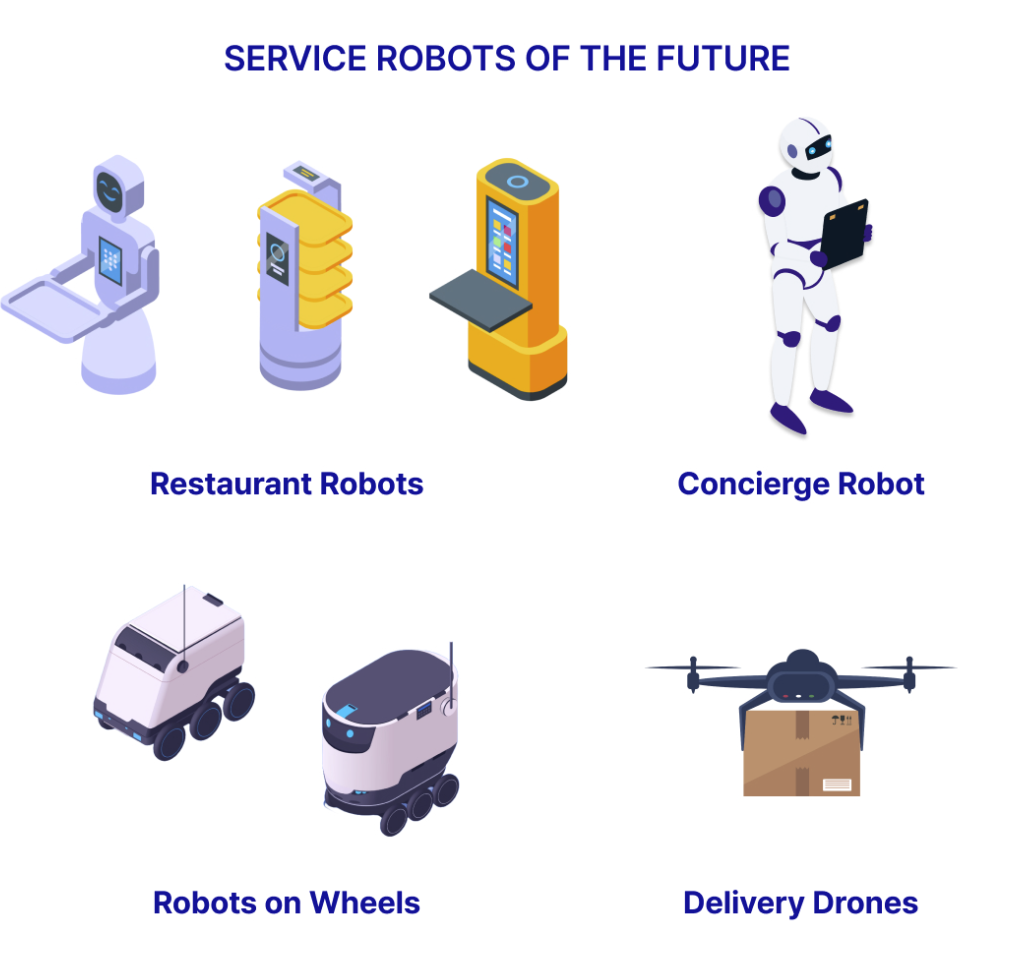
Autonomous delivery robots are no longer limited to pilot projects. They are already operating in the United States, the United Kingdom, Germany, Estonia, Finland, Japan, and China, delivering food, groceries, parcels, and medical supplies across university campuses, residential communities, hospitals, airports, and business parks. Companies are increasingly integrating robots into existing delivery networks rather than treating them as standalone innovations. | ||
|
Companies such as Starship Technologies, JD.com, and Meituan have demonstrated that autonomous delivery can work at scale in the right environments. As deployments expand, the technology is moving from controlled trials to everyday commercial operations. | ||
| ||
The trends driving market growth | ||
|
Several long-term trends are accelerating investment in autonomous delivery. Rising consumer demand for same-day delivery is pushing businesses to find faster and more cost-effective ways to complete last-mile deliveries. At the same time, higher labour costs and persistent driver shortages are making automation increasingly attractive. | ||
|
Advances in artificial intelligence, computer vision, sensors, and digital mapping have made delivery robots more reliable in real-world environments, while battery-powered fleets support businesses' efforts to reduce emissions and congestion. As cities become more densely populated and delivery volumes continue to grow, autonomous robots are emerging as a practical solution for improving the efficiency of last-mile logistics. | ||
The challenges that could slow adoption | ||
|
Strong market potential does not guarantee rapid adoption. Scaling autonomous delivery will depend on regulation, public acceptance, technological reliability, and commercial viability. | ||
|
Regulations remain fragmented, with different cities and countries applying different rules on where and how delivery robots can operate. This makes expansion across markets more difficult. | ||
|
Public trust is equally important. Delivery robots share sidewalks with pedestrians, so concerns around safety, accessibility, and congestion must be addressed through responsible deployment. | ||
|
The technology continues to improve but still struggles in bad weather, crowded environments, and uneven terrain. At the same time, companies must prove that investments in robots and supporting infrastructure deliver meaningful cost savings. Those that address these challenges early will be best positioned to scale. | ||
Where the biggest opportunities lie | ||
|
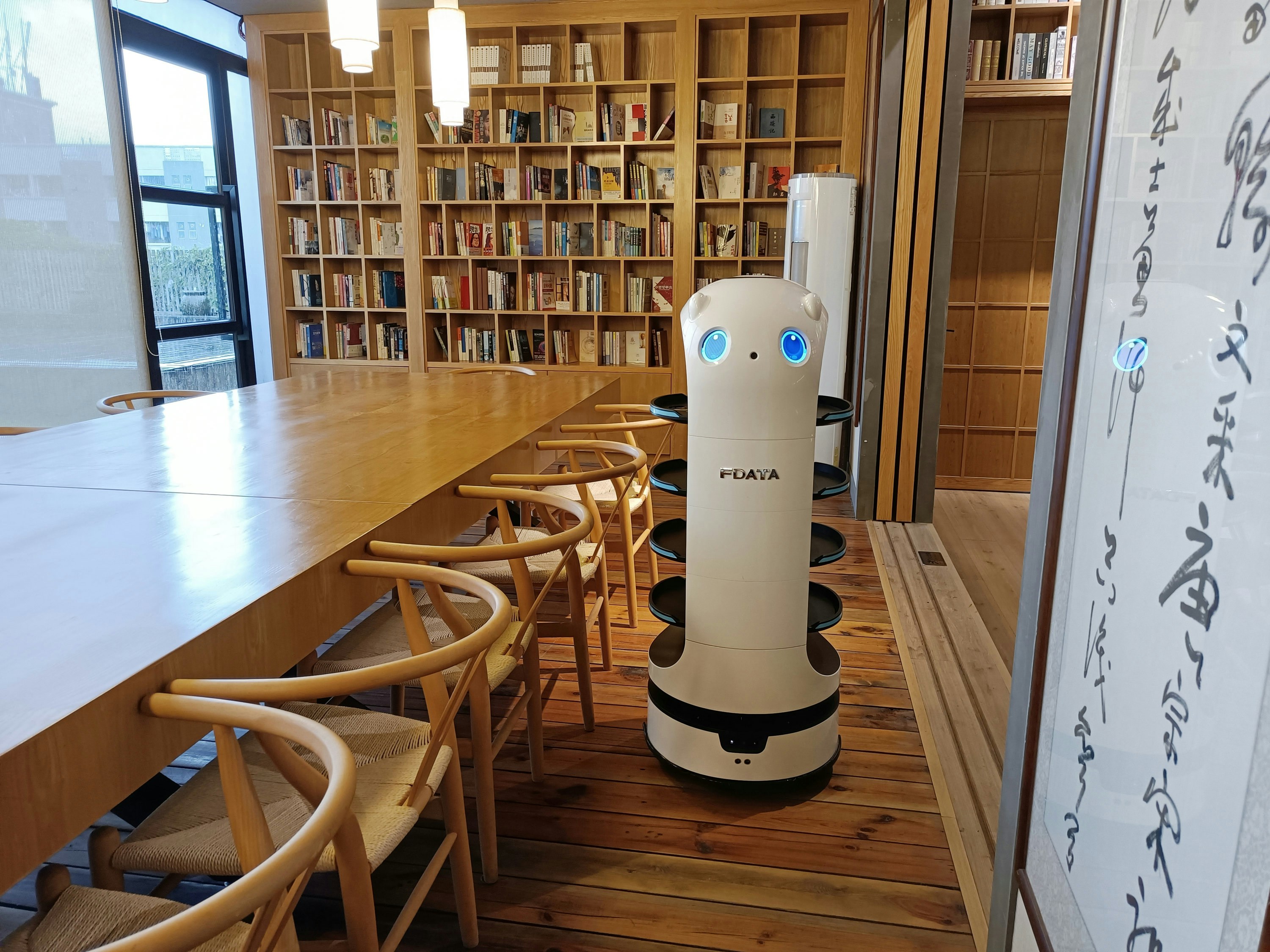
The opportunity extends well beyond companies building delivery robots. Retailers, restaurants, grocery platforms, and logistics providers can reduce delivery costs while increasing capacity during peak demand. Hospitals, universities, residential communities, and business parks also provide ideal environments for autonomous delivery because routes are predictable and distances are short. | ||
|
The market is equally attractive for technology providers developing artificial intelligence software, fleet management platforms, sensors, batteries, and connectivity solutions. As adoption grows, the companies that create integrated logistics solutions, not just robots, are likely to capture the greatest value. | ||
| ||
What business leaders should do now | ||
|
Businesses should start with controlled environments such as campuses, hospitals, residential communities, and business parks, where autonomous delivery can be tested with lower operational risk. | ||
|
Hybrid delivery models that combine robots with human couriers are proving to be the most practical approach. Measuring operational performance, working closely with regulators, and building public trust will be just as important as the technology itself. | ||
|

© 2026 Market Mosaic. All rights reserved.